Cracks in a Florida Home: Should You Be Worried?
You’re walking through a home you love when you spot it—a crack running across the wall.
And suddenly, you’re no longer looking at the beautiful kitchen.
You’re wondering, “Is that a foundation problem?”
Cracks can definitely get your attention, but they don’t all tell the same story. Some are common and relatively minor. Others may provide clues that something deserves further evaluation.
The important part is knowing the difference.
Not Every Crack Means Structural Trouble
Homes move.
Building materials expand and contract, temperatures change, soil conditions vary, and homes naturally experience some movement over time. As a result, small cracks in drywall or around doors and windows aren’t unusual.
Even newer homes can develop minor cracking as materials dry, settle, and adjust.
That means seeing a crack isn’t automatically a reason to panic.
What matters is where it is, what it looks like, and what else is happening around it.
Location Can Tell You a Lot
A small drywall crack and a significant crack through an exterior wall aren’t necessarily telling you the same thing.
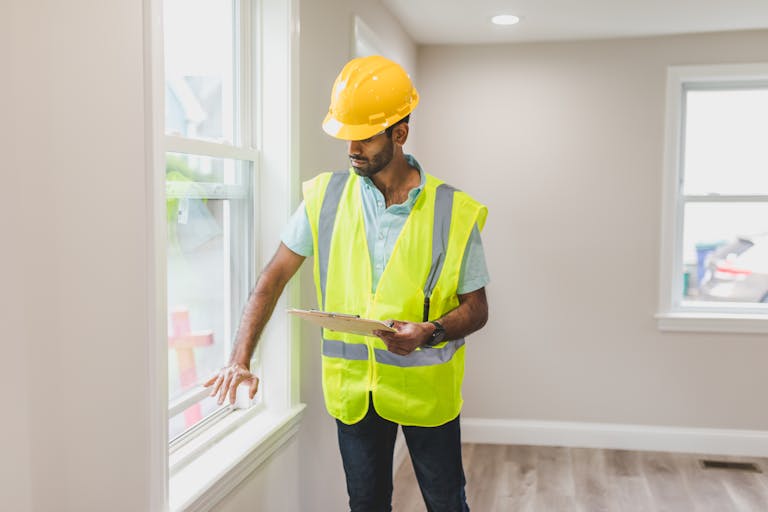
Inspectors pay attention to cracking around windows and doors, exterior stucco, ceilings, masonry, foundations, garage floors, tile, and other areas of the home.
We also look beyond the crack itself.
Are doors sticking? Are floors noticeably uneven? Are there multiple cracks following a similar pattern? Does something appear to have moved or separated?
One observation may not mean much by itself. Several related observations can tell a different story.
What About Cracks in Florida Stucco?
Stucco cracking is particularly common in Florida homes.
Small hairline cracks can develop from shrinkage, temperature changes, normal movement, or installation conditions. However, larger openings or cracks around windows, doors, and other penetrations may deserve additional attention.
The concern isn’t always structural, either.
An opening in the exterior finish can potentially provide a pathway for moisture, which makes maintaining exterior surfaces especially important in our rainy Florida climate.
And Those Cracked Floor Tiles?
Here’s another one buyers frequently notice.
A single cracked tile may simply be damaged tile. Multiple cracked tiles running in a line, however, can make the pattern more interesting.
That still doesn’t automatically mean there’s a major structural problem. The tile installation, substrate, previous repairs, and movement of the underlying surface can all play a role.
Again, the pattern matters.
Don’t Diagnose a House From One Crack
A crack is an observation—not a diagnosis.
That’s an important distinction.
A home inspector evaluates the visible condition of the property and looks for patterns or additional evidence that may indicate a concern. When something appears significant, further evaluation by the appropriate qualified professional may be recommended.
The goal isn’t to make every crack scary.
It’s to determine which ones are ordinary maintenance items and which ones shouldn’t simply be ignored.
Look at the Whole House
When you’re buying a home, it’s easy for one visible defect to take over your attention.
Try to resist that temptation.
One crack doesn’t tell you the condition of an entire house any more than one freshly painted wall does. The better approach is to evaluate the property as a whole and put individual findings into context.
That’s what a home inspection helps you do.
Why Choose Square 1 Home Inspections?
Buying a home comes with plenty of questions. Your inspection should help answer them—not leave you guessing about every little thing you see.
We’ll evaluate the visible and accessible systems and components of the home, explain our findings clearly, and help you understand which concerns deserve attention.
Contact us today to schedule your home inspection and get a clearer picture of the home before you buy.